 Nationwide


where should used nicotine pouches go?

we talk about ingredients, formats, and what’s printed on the can. but there’s one small question that tends to get overlooked: what happens when you’re done?
whether you’re at home, commuting, or out for the day, knowing how to handle a used nicotine pouch and its container is part of understanding the product from start to finish. it’s a small detail, but getting it right helps keep public spaces tidy, protects people and pets from accidental exposure, and makes waste easier to manage.
here’s the practical guide.
01. first things first: where does the used pouch go?
the simplest answer is an appropriate rubbish bin.
after use, place the pouch in a waste bin rather than leaving it on the ground, putting it in a planter, or dropping it into a drain. if there’s no bin nearby, keep the used pouch contained until you can dispose of it properly.
here’s a handy detail: almost all nicotine pouch cans have a small catch lid built into the top of the can, usually towards the front-facing area of the lid. it’s designed to hold used pouches temporarily when a regular bin isn’t immediately available. if your can has one, place the used pouch inside and empty it into an appropriate waste bin when you get the chance. can designs vary, so check your packaging to see how yours works.
used pouches can still contain nicotine. for that reason, avoid leaving them on tables, in open containers, or anywhere children and pets might find them. a closed waste container is a sensible precaution, particularly in shared spaces and households.

photograph: Shixart1985 / Wikimedia Commons. licensed under CC BY 2.0. unmodified image.
the u.s. food and drug administration’s guidance on nicotine pouch safety highlights the risk of accidental exposure among children and pets. although its guidance is written for the united states, the basic precaution is relevant wherever nicotine-containing products are handled.
and once you’ve disposed of the pouch, wash your hands if they’ve come into contact with its contents.
02. can you flush a used pouch?
best not to.
a nicotine pouch belongs in the rubbish, not the toilet or sink. flushing solid waste sends it into plumbing and wastewater systems that aren’t intended to be a general disposal route for used consumer products.
the same principle applies to drains in public spaces. even when a drain looks like a convenient way to get rid of something small, it isn’t a substitute for a waste bin.
if you’re out and about in the philippines, the practical rule is straightforward: keep the pouch contained until you find an appropriate bin. it’s a simple habit that helps prevent litter and avoids putting unnecessary material into drainage systems.
03. what about the empty can?
this is where things get a little more interesting.
nicotine pouch cans are often made from plastic, but the exact material can differ between brands and packaging designs. some containers use polypropylene (pp), while others may use polyethylene terephthalate (pet) or other materials. a can’s appearance alone isn’t enough to identify its resin type.
so before placing an empty can in your recycling, check the packaging for a material identification code or recycling instructions. if the information isn’t available, ask the manufacturer or retailer what material the container uses.
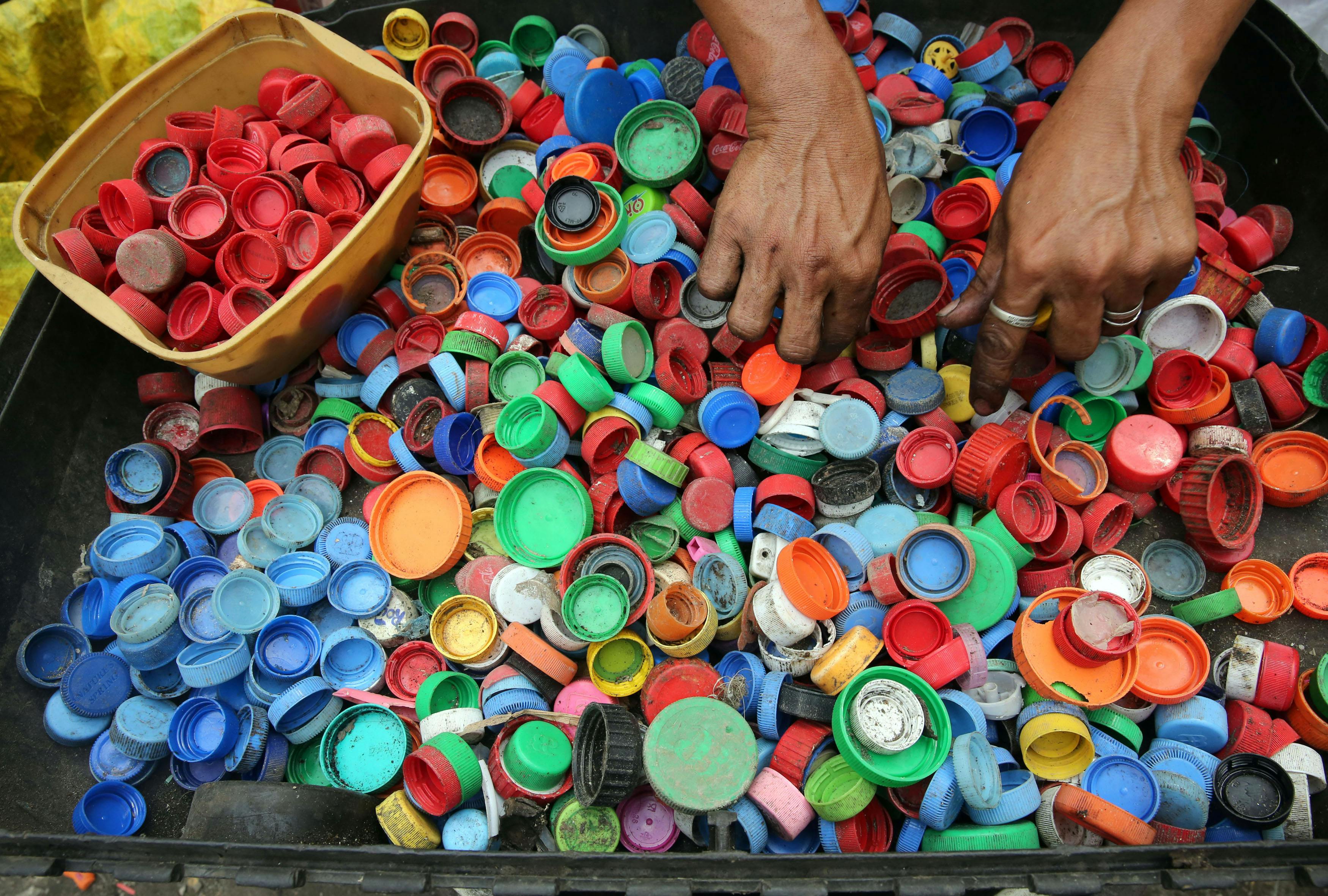
photograph: Krizjohn Rosales / Pexels. available under the Pexels License.
in the philippines, the ecological solid waste management act of 2000, or republic act no. 9003, provides the national framework for waste segregation and resource recovery. the law recognises the importance of separating recyclable materials, but whether a particular plastic item can actually be collected and processed depends on the material and the local waste-management system.
recyclable in principle doesn’t always mean recyclable through your local collection service. a recycling symbol or plastic code can help identify a material, but it doesn’t guarantee that a nearby collection point accepts it.
04. a quick guide to handling an empty can
if you want to keep an empty can for a recycling programme or check whether it’s accepted locally, here’s a practical starting point.
remove the used pouches. make sure the container is empty before storing it. used pouches should be disposed of separately and kept away from children and pets.
check the material. look for a resin identification code or manufacturer guidance. don’t assume every can is pet just because it’s plastic or transparent.
keep it separate. store empty cans apart from general rubbish while you confirm whether a suitable collection or recycling option exists. keeping them dry and reasonably clean can also help with handling and sorting.
follow the collector’s instructions. some programmes accept particular plastics and packaging formats, while others don’t. ask whether lids, labels, or other components need to be separated before handing the can over.
these steps don’t guarantee that a can will be recycled, but they make it easier to identify the material and prepare it for a collection route that can actually handle it.
05. what can we do here in the philippines?
waste management is shaped by local collection systems, available recycling facilities, and the materials those systems can process. that means the most useful action isn’t simply to put everything marked plastic into one container. it’s to understand what the item is made from and where it can go.
under ra 9003, local government units have a central role in implementing solid-waste management, including segregation and collection. the department of environment and natural resources’ solid-waste guidance also provides practical information about separating recyclable materials and preparing them for collection.

photograph: BENNY GROSS.1 / Wikimedia Commons. licensed under CC BY-SA 4.0. unmodified image.
for consumers, a few habits can help:
- dispose of used pouches in an appropriate waste bin.
- keep nicotine-containing products and used pouches away from children and pets.
- separate empty packaging where local rules or collection programmes allow it.
- check the material and collection requirements before assuming a plastic container is recyclable.
- avoid littering, and don’t use drains or toilets as disposal routes.
none of these actions solves the entire waste-management challenge on its own. together, however, they help build better everyday habits and make it easier for collection programmes to recover materials where suitable facilities exist.
06. where smokefree hub comes in
at smokefree hub, we believe product information should go beyond what’s inside the can. understanding what a product is made from and how to handle its packaging responsibly is part of being better informed about the category.
we’re working to raise awareness around proper nicotine pouch disposal, including the importance of keeping used pouches contained and handling empty cans thoughtfully. we’re also exploring a future collection drive for empty cans, with the aim of identifying an appropriate recovery or recycling route for the packaging we collect.
before a programme can launch, the material composition of the cans and the requirements of the recycling partner need to be confirmed. collection only makes a meaningful difference when there’s a clear, workable destination for the material.
we’ll share more information when the collection details are confirmed. in the meantime, readers can start with the basics: dispose of used pouches properly, keep them out of reach of children and pets, and check local guidance before placing empty cans in recycling.
the takeaway
responsible disposal doesn’t have to be complicated. used nicotine pouches belong in an appropriate waste bin, while empty cans need a little more investigation before you can determine whether they’re recyclable.
know the material. check the collection rules. keep used pouches safely contained. and when in doubt, ask rather than assume.
small steps are a useful place to start—and better information helps everyone make more informed decisions about the waste they leave behind.
a note on nicotine: nicotine is addictive, and nicotine-containing products are not risk-free. this article provides general information about disposal and waste management; it is not a product recommendation or medical advice.


